

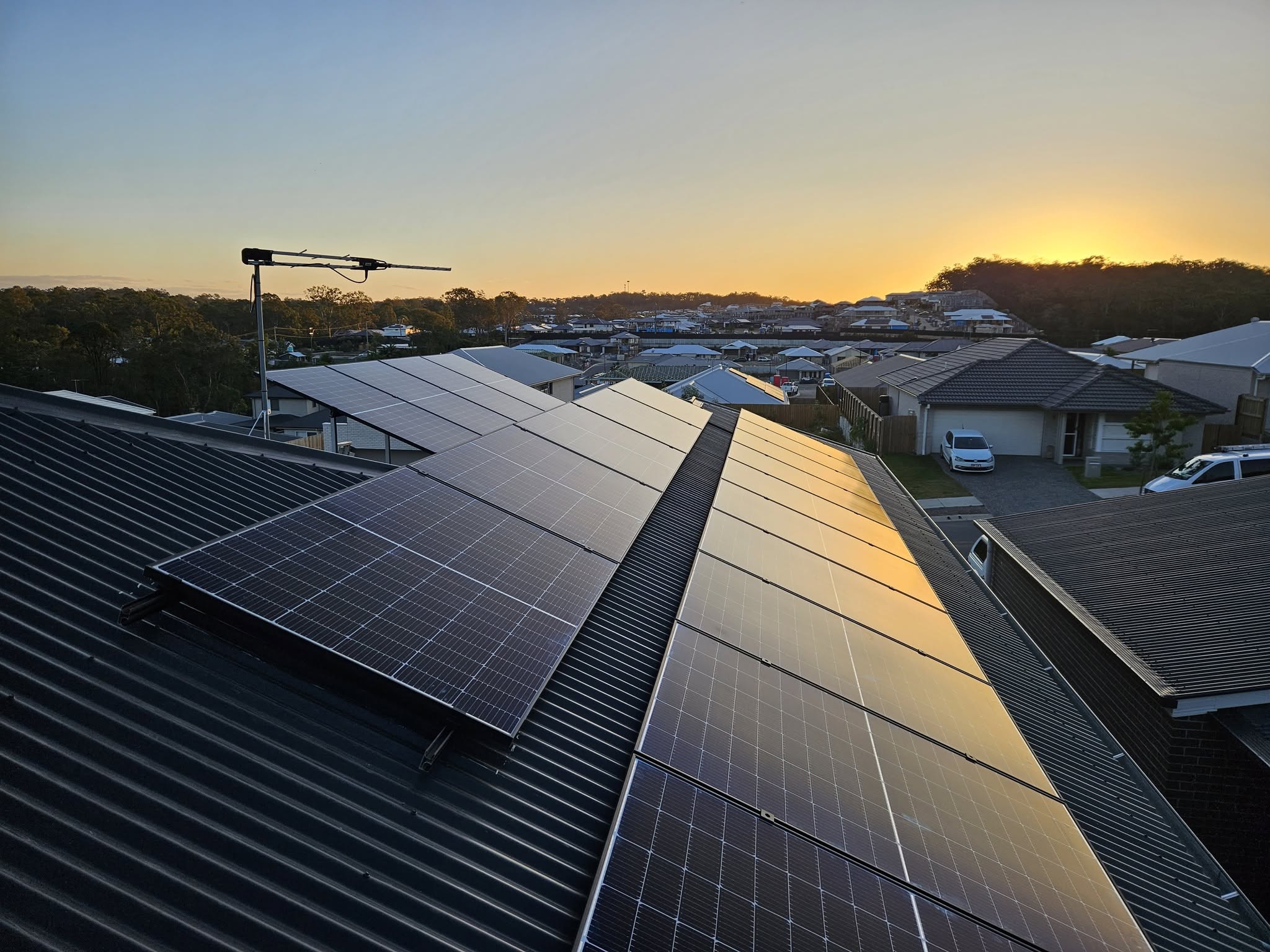
Local solar, battery and Level 2 electrical specialists servicing homes and businesses from the Northern Rivers to the Gold Coast. Properly designed solar & battery systems, upfront pricing and real after-sales support.
✓ Solar Production Guarantee
✓ Real Human Support
✓ Installation Timeframe Guarantee
✓ No Surprise Extras
Contact Us
Get in Touch With
JA Electrical & Solar
OUR PARTNERS





Buying Solar or a Battery Shouldn’t Feel Like a Gamble
10 Things That Can Go Wrong with Solar & Batteries — And How We’ve Designed Them Out
Solar panels and batteries themselves are generally very reliable. But we’ve seen the same problems across the solar industry for years — exaggerated promises, poor system design, surprise costs, roof leaks, installation delays and companies that disappear when something goes wrong.
So instead of simply asking you to trust us, we’ve built our entire process around preventing these problems before they happen.
1. How do I know my solar will actually produce what I've been promised?
✓ WE GUARANTEE YOUR SOLAR PRODUCTION
Before installation, we’ll tell you how much solar your system should produce. If it materially underperforms because of our design or installation, we’ll fix it at our cost — even if that means adding more panels.
2. What happens when something goes wrong after they've got my money?
✓ A REAL PERSON. WITHIN ONE BUSINESS DAY.
No AI chatbot and no disappearing after installation. If you need help, you’ll hear from a real person within one business day — and if it’s a warranty issue, we’ll deal with the manufacturer for you.
3. What if I pay my deposit and then wait months for the installation?
✓ AN INSTALLATION TIMEFRAME — BACKED BY A GUARANTEE
Before you pay your deposit, we’ll give you a realistic installation timeframe based on current network approvals, equipment availability and our installation capacity. If we run beyond the agreed maximum timeframe, you’re free to cancel and we’ll return your deposit.
4. What if I spend all this money and my power bills are still high?
✓ DESIGNED AROUND YOUR ACTUAL ELECTRICITY USAGE
We analyse how and when your home uses electricity — and what your future needs are — before designing your system. No generic packages and no unrealistic power-bill promises.
5. What if the price suddenly goes up once they've started?
✓ NO SURPRISE EXTRAS
We assess the important details before finalising your price. If we miss something we reasonably should have identified and it’s required to complete the agreed installation, we wear the cost — not you.
6. What if they damage my roof or cause a leak?
✓ WE PROTECT YOUR ROOF — AND PROVE IT
We document your roof before and after installation and use proven mounting, flashing and sealing methods. If our work damages your roof or causes a leak, we pay to put it right.
7. What will my battery actually power during a blackout?
✓ WE TURN THE GRID OFF AND SHOW YOU
Before installation, we’ll explain exactly what your battery will and won’t power during a blackout. Once installed, we’ll simulate a blackout and show you your backup system working before we leave.
8. What if my solar app stops working and I don't know whether my system is working?
✓ MONITORING THAT’S DESIGNED TO STAY CONNECTED
Where practical, we hardwire your system to the internet instead of relying on Wi-Fi. Before we leave, your app is working on your phone, you know how to read it, and a permanent QR code gives you simple help whenever you need it.
9. What happens to my system and warranties if the solar company disappears?
✓ LOCAL, ACCOUNTABLE — AND HERE FOR THE LONG HAUL
Our owner was born and raised in Tweed Heads, and we’re building a business and reputation here that we plan to stand behind for decades to come. Your equipment, warranties and installation records are also properly documented — but our plan is simple: be here when you need us.
10. Who is actually going to turn up to install my system — and will they respect my home?
✓ OUR NAME. OUR STANDARD. OUR RESPONSIBILITY.
Everyone installing under our name works to the same installation standard. Employee or subcontractor, we take responsibility for their workmanship, clean up before we leave, and if we damage something, we put it right.
Local Electrical & Solar Specialists
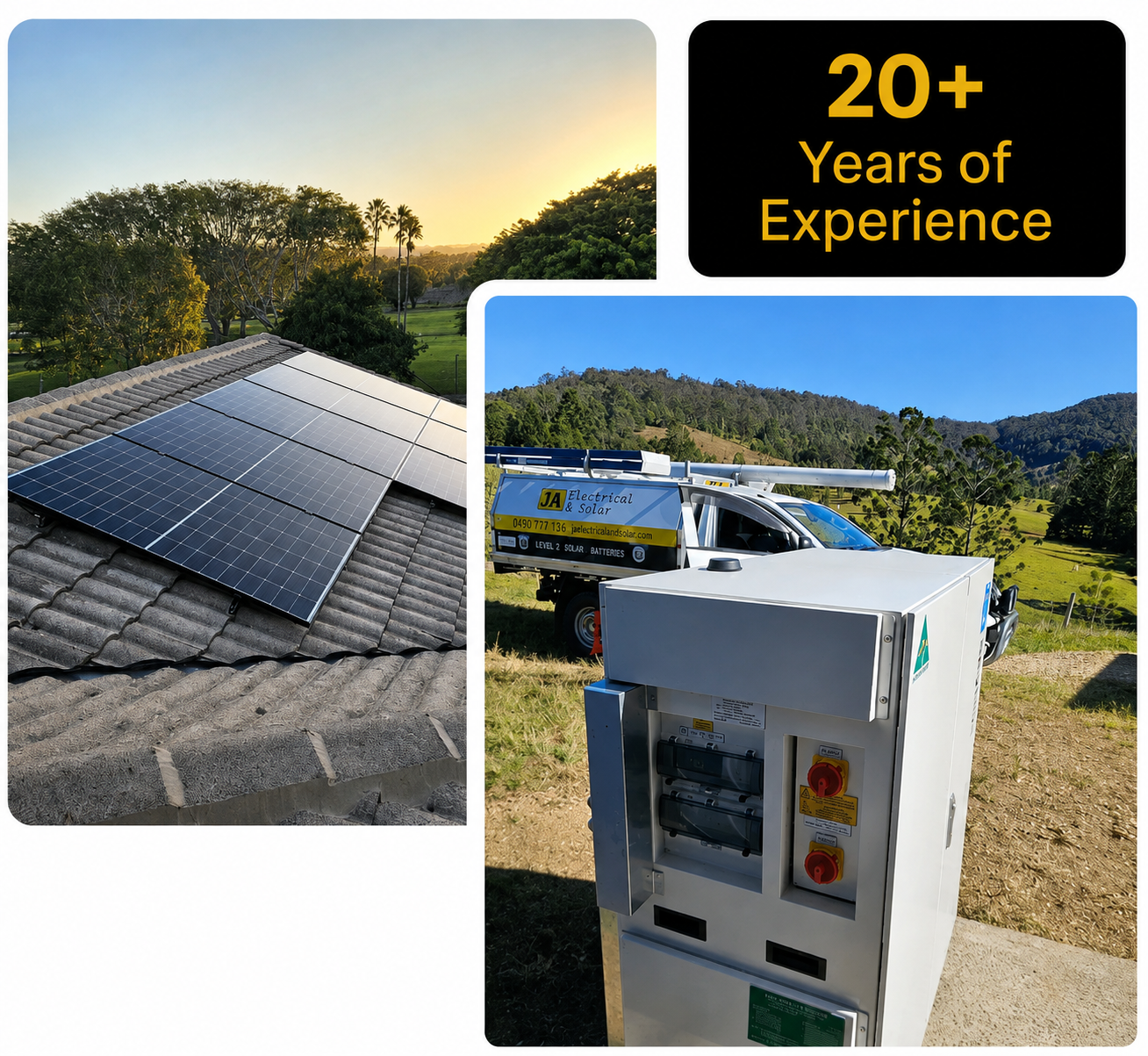
JA Electrical & Solar is a locally owned and operated electrical and solar business led by director Jeremy Alderson. With 20 years in the electrical industry, we specialise in solar, battery storage and Level 2 electrical — from installations to ongoing maintenance — across the Northern Rivers and Gold Coast.
Jeremy was born and raised in Tweed Heads and has built JA Electrical & Solar around a simple idea: do the job properly, give people honest advice and be there to help after the installation is finished.
20 Years Electrical Experience
Hands-on experience across electrical, solar, battery and Level 2 work.
Hands-on experience across electrical, solar, battery and Level 2 work.
Locally Owned & Operated
Born and raised in the Tweed, servicing the Northern Rivers through to the Gold Coast.
Born and raised in the Tweed, servicing the Northern Rivers through to the Gold Coast.
Learn More
Our Services
Solar, Battery & Level 2 Electrical
We provide specialist solar, battery and Level 2 electrical services for residential and commercial properties across the Northern Rivers and Gold Coast.
Solar & Battery
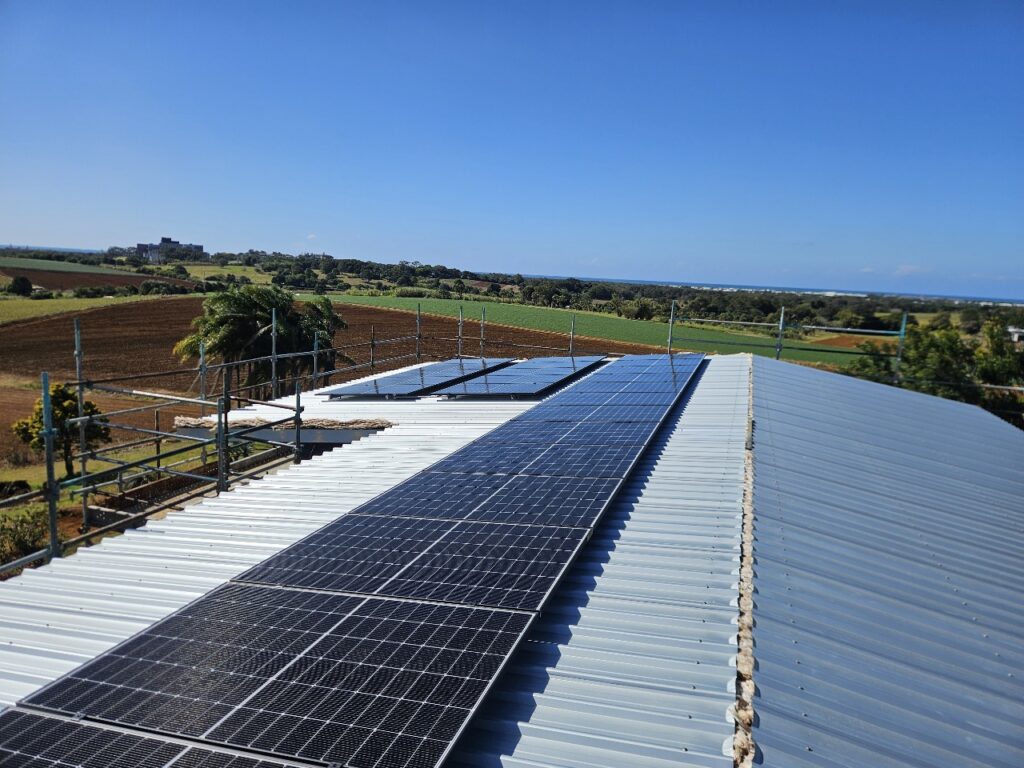
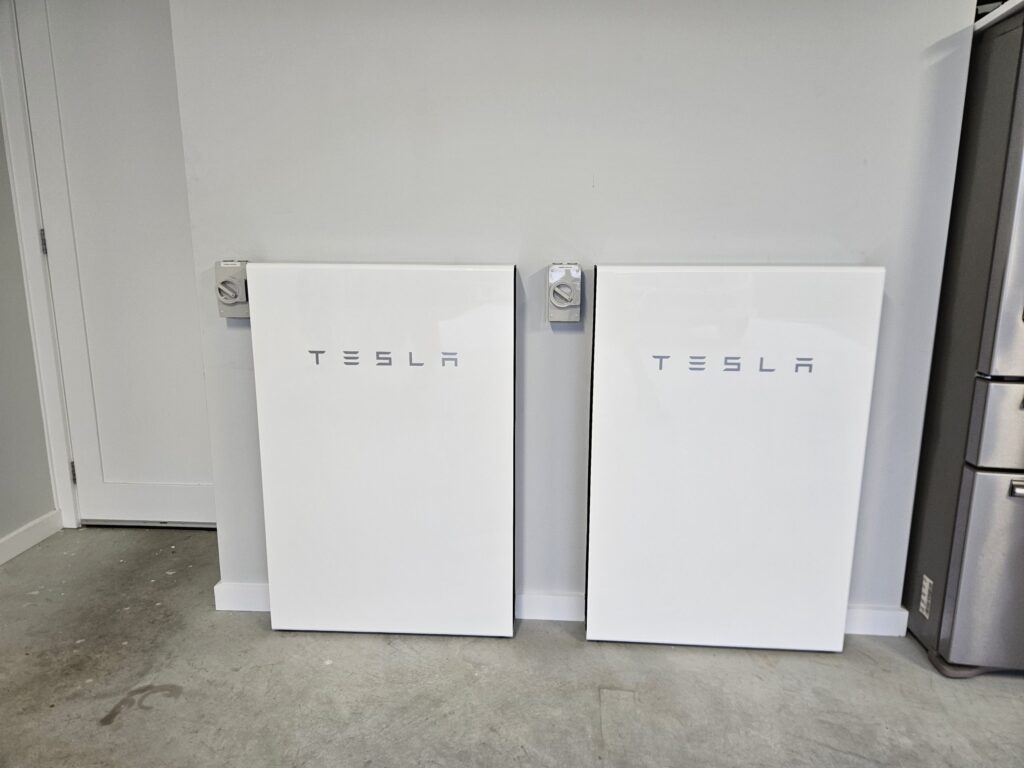
From new installations and system upgrades to fault finding, repairs and ongoing maintenance, we look after solar and battery systems throughout their life.
Level 2 Electrical
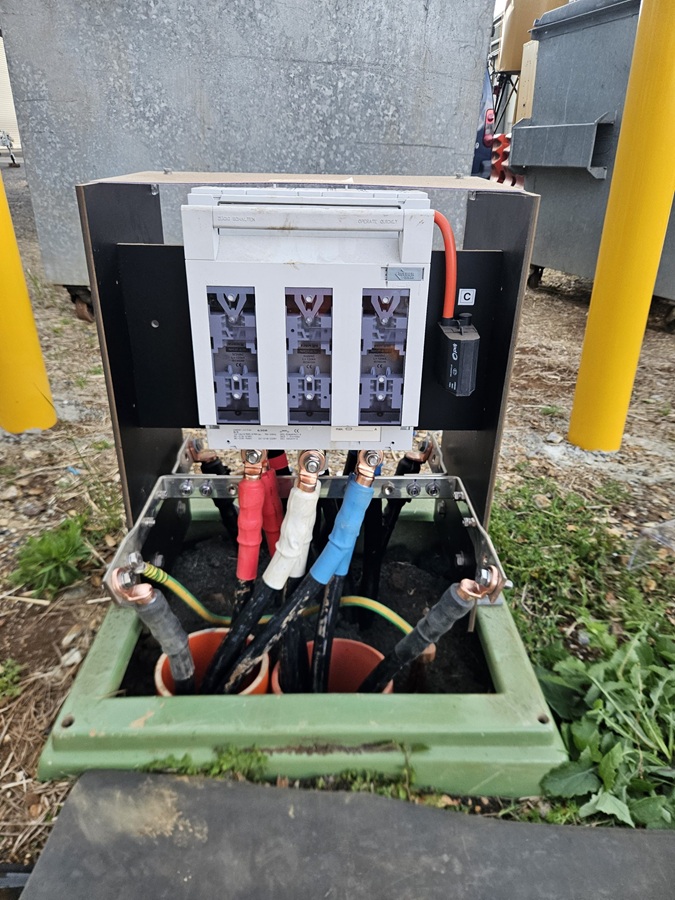
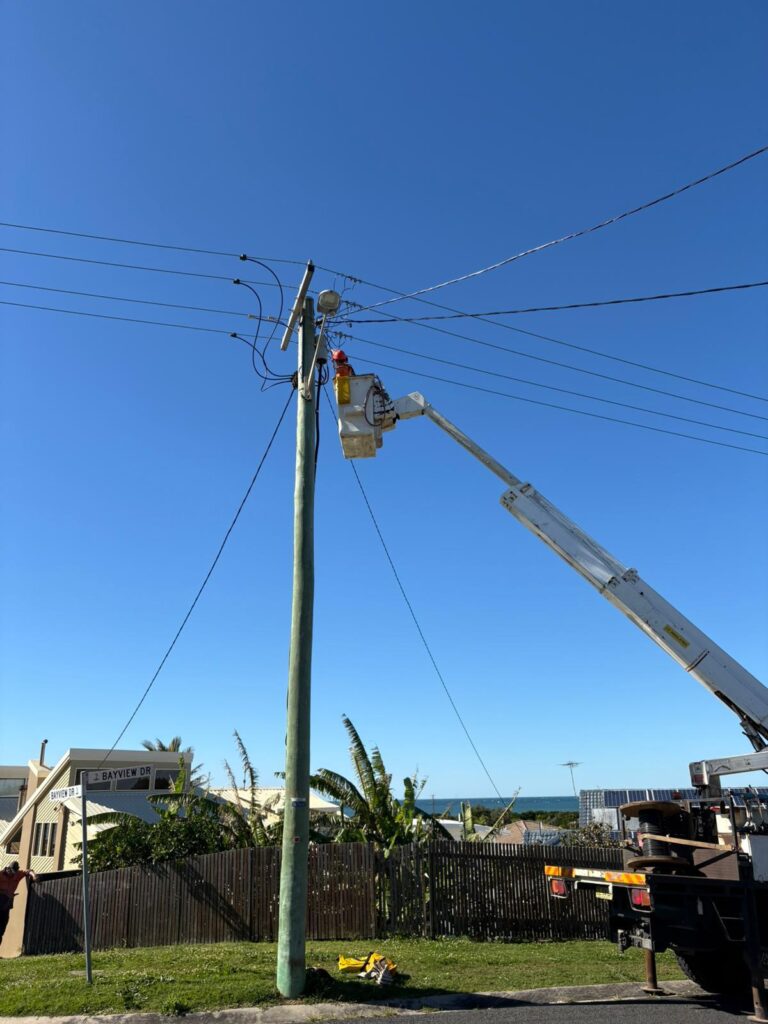
Licensed Level 2 electrical work including overhead and underground connections, single and three-phase upgrades, switchboards, disconnect/reconnect services and defect notices.
What Our Clients Say
Built on Trust. Backed
by Results
See why clients across Tweed Heads, the Gold Coast, and the Northern Rivers choose JA Electrical & Solar for reliable workmanship, honest advice, and professional service.
Frequently Asked Questions
How much does a complete solar and battery system cost?
As a rough guide, a complete quality solar and battery system will generally cost around $15,000–$20,000 for a 6.6kW solar system with a 10–15kWh battery, $20,000–$26,000 for a 13kW solar system with a 20–25kWh battery, and $30,000–$45,000 for a larger 20–30kW solar system with around 30kWh of battery storage.
Installing solar and a battery together can also be more cost-effective than installing them separately, as they can share a hybrid inverter and much of the installation work is completed at the same time. The final price depends on the solar size, battery capacity, equipment, backup requirements, switchboard and complexity of the installation.
How much does a solar system cost?
As a rough guide, a quality solar-only system will generally cost around $1,000–$1,400 per kW installed. Larger systems usually have a lower cost per kW because many of the installation costs are shared across a bigger system.
For example, a 6.6kW system may cost around $6,600–$9,200, a 13kW system around $12,000–$14,000, and a 30kW system around $26,000–$35,000. The final price will depend on the equipment, roof layout, switchboard and the complexity of the installation.
How much does a solar battery cost?
As a rough guide, a quality battery system will generally cost around $9,000–$16,000 for a 10–15kWh battery, $14,000–$20,000 for a 20–25kWh battery, and $15,000–$25,000 for a 30kWh battery.
These prices include installation and assume the applicable federal battery rebate. The final cost depends on the battery brand, your existing solar and inverter setup, backup requirements, switchboard work and the complexity of the installation.
Is a solar battery worth it?
It depends entirely on who’s asking and what you’re trying to achieve. For some people it’s purely a financial decision and they want the shortest possible payback period. Others experience regular blackouts, want greater energy independence, don’t like paying electricity retailers for power they could produce and store themselves, or simply value having the technology and greater control over their own energy.
If your goal is purely financial, then the numbers need to stack up. Battery payback depends on how much electricity you use, when you use it, how much excess solar you have available, your electricity tariff, battery size and the installed cost. As a rough guide, many well-designed residential battery systems can have simple payback periods somewhere around 7–10 years, although higher-energy users and systems with high utilisation can achieve significantly shorter payback periods.
There’s also a longer-term way to look at it. If a properly sized solar and battery system can supply around 90–95% of your electricity needs over the year, you’re dramatically reducing the amount of electricity you need to buy from the grid. That means much less exposure to future electricity price increases and much greater control over what your household pays for energy over the long term.
That doesn’t necessarily mean going completely off-grid. For most homes, staying grid-connected makes much more sense. Going off-grid generally requires significantly more solar, battery capacity and often backup generation to reliably get through extended periods of poor weather. Staying connected gives you the grid as a backup while allowing your solar and battery to provide the vast majority of your energy.
How long you plan to stay in the property matters too. If you’re planning to sell in a few years, you’ll look at the investment very differently from someone expecting to live there for another 10–20 years. And financial return isn’t the only value — blackout protection, reduced reliance on the grid and having stored energy available when you need it can be worth different amounts to different people.
That’s why we don’t think there’s an honest yes-or-no answer to “Is a battery worth it?” The better question is: what are you trying to achieve? Once we know that, we can look at your actual energy usage and work out whether a battery makes sense for you.
What size solar system do I need?
We start with your average daily electricity consumption and then account for any future loads you’re likely to add, such as a battery, EV, pool, air conditioning or electric hot water. We then assess your available roof space, orientation and shading to work out how much solar the property can realistically produce.
Where suitable roof space is available, we generally recommend allowing some extra solar capacity rather than designing the system right on the limit of what you use today. In our experience, households often start using more electricity once they have solar, and a larger system also gives you more generation capacity during cloudy and rainy periods when solar production can be significantly reduced. Adding extra panels during the original installation is also generally much more cost-effective than trying to expand the system later.
There isn’t one system size that’s right for everyone. A low-usage household might only need around 6.6kW, while for a typical family home we often find systems closer to 10–13kW make more sense. The goal isn’t simply to fill every roof with panels — it’s to install as much solar as the household can reasonably make use of now and into the future.
What size battery do I need?
The right battery size depends on what you’re trying to achieve. As a general guide, a battery sized at around 60–70% of your average daily electricity consumption can often provide a strong return on investment, because you’re more likely to regularly use and recharge most of the battery’s available capacity.
For most of our installations, however, we like to start closer to 100% of the home’s average daily consumption. So if your home uses around 20kWh per day, we’d generally look at around 20kWh of battery storage. This is slightly oversized from a pure short-term ROI perspective, but we think it’s a good sweet spot — giving you more capacity for poor weather, backup power, future increases in electricity usage and changes to the way you use your home.
If we can access your smart-meter or monitoring data, we can refine this further by looking at when you actually use electricity and how much excess solar is available to recharge the battery. We’ll also consider future loads such as an EV, electric hot water, pool equipment or additional air conditioning.
VPPs are different again. If participating in a Virtual Power Plant is part of your plan, additional battery capacity can be valuable because you want enough stored energy to cover your own household needs while still having capacity available for the VPP. As a rough starting point, we’d consider around 20kWh of battery capacity above the home’s normal daily consumption, then size the system properly around the particular VPP and how it operates.
Should I get solar and a battery at the same time, or add the battery later?
If you already know you want a battery and the budget allows, installing the solar and battery together will always be more cost-effective than installing the same system in two separate stages. The whole system can be designed together, the solar and battery can share a hybrid inverter, and much of the installation work only needs to be completed once. It will also nearly always result in a neater installation, because adding a battery later can mean redoing finished work — running additional cables, modifying enclosures, drilling new penetrations or changing parts of the original installation.
A battery can be added later, but there are a few things people often aren’t told. Solar and battery technology changes quickly, manufacturers replace older models, and Australian standards, regulations and Clean Energy Council approved-product listings change over time. In some cases, even equipment installed only 12 months earlier may no longer have the same approval status or be the current model when you come back to expand the system. This can affect compatibility, system design and eligibility for government incentives on the new installation.
We’ve seen this ourselves with existing systems. Sometimes adding a battery later is straightforward; other times the existing inverter, panels or other equipment are no longer compatible, don’t meet the current requirements for the proposed upgrade, or make the upgrade unnecessarily expensive. In some cases, it can make more financial sense to replace relatively young equipment than try to integrate new technology with it.
Our general advice is simple: if you know you want solar and a battery and can afford to do both now, do it properly once. If the budget doesn’t allow it, we can absolutely install solar now with a future battery in mind — but nobody can guarantee that today’s equipment, approvals, regulations or compatibility will still be the same when you’re ready to add the battery.
Can I add a battery to my existing solar system?
Yes. A battery can be added to essentially any existing solar system. The bigger question is how we integrate it, because the cost, performance and amount of work required can vary significantly depending on the solar system you already have.
With some systems, adding a battery can be relatively straightforward. With others, we may need to replace or add an inverter, modify the switchboard, change the system configuration or AC-couple the new battery to the existing solar system. The age, size, brand and approval status of your existing equipment can all affect the best solution.
We also need to look at whether your existing solar system produces enough excess energy to actually charge the battery. If most of your solar is already being consumed by the property during the day, there may be little benefit in adding a large battery unless we also increase the amount of solar or you’re planning to charge the battery from the grid during cheap or free electricity periods. Electricity plans and tariffs change, so we wouldn’t design a system that only makes financial sense because of a temporary retailer offer.
We also look at whether keeping the existing solar system actually makes financial sense. If you have an older or undersized system, sometimes spending more money trying to integrate a new battery into old equipment isn’t the best option. It may be more cost-effective to upgrade part or all of the solar system at the same time and design everything to work together properly.
So the short answer is yes — we can add a battery to an existing solar system. But before recommending one, we’ll look at what you already have, how much excess solar you produce and what you’re trying to achieve, then work out the most cost-effective way to integrate a battery without unnecessarily replacing equipment that’s still doing its job.
Will my battery power my home during a blackout?
Yes. When we install a battery, we always include backup power. With a smaller system using around a 5kW inverter, we’ll generally back up the kitchen power circuit, which keeps the fridge running and gives you access to the kitchen power points if you need to plug in an extension lead for other essential equipment. Where possible, we’ll also keep the internet router powered. Keeping the internet running means your solar and battery monitoring can stay connected, so you can keep an eye on your battery charge and energy usage throughout the outage. With a 10kW or larger inverter, we generally provide whole-house backup.
When we’ve sized the battery at around the home’s normal daily electricity consumption and provided whole-house backup, you generally don’t need to change the way you live just because the power goes out. You can continue using the house relatively normally, while keeping in mind that the inverter still has a maximum power output and there is a limit to how many high-powered appliances can run at the same time.
Where you need to become more conscious of your electricity use is during an extended, multi-day blackout — particularly if there are several days of poor weather. At that point, we’d recommend reducing unnecessary loads and prioritising essentials such as refrigeration, lighting, internet, general power and other important equipment to make the stored energy last longer.
All of the solar and battery systems we install are designed so the solar can continue producing power during the day while the grid is down. The solar can power the home and recharge the battery, so on a good solar day you may be able to replace much or all of the energy you used overnight without the grid being available.
We discuss your backup requirements before designing the system. If running air conditioning, pumps or other high-powered equipment during a blackout is important to you, we’ll take that into account when sizing and configuring the inverter and battery.
How much can solar and batteries reduce my electricity bill?
A properly designed solar and battery system can dramatically reduce the amount of electricity you need to buy from the grid. For a system designed to cover most of a household’s energy needs, we can often aim for around 90–95% energy independence over the year — meaning only a relatively small percentage of your electricity needs to come from the grid.
Solar-only systems are different. How much you save depends heavily on when you use electricity. Solar is most valuable when the power is being used directly in the property, while excess energy exported to the grid is generally worth much less than the electricity you buy back later. Adding a battery allows us to store that excess daytime solar and use it at night, substantially increasing how much of your own solar energy you can use.
Even with a large solar and battery system, your electricity bill won’t necessarily disappear completely. You’ll generally still have daily grid connection charges, and there will be periods of poor weather where you need to import some electricity. The goal isn’t necessarily a $0 bill every month — it’s to minimise how much electricity you need to buy from the grid over the long term.
High-energy users can sometimes achieve particularly strong returns from solar because a greater percentage of the energy being generated can be consumed directly onsite rather than exported to the grid. This is particularly relevant for businesses and other properties with high daytime electricity consumption, where a well-sized solar system can have an excellent return on investment.
The actual savings depend on your electricity consumption, when you use power, system size, solar production, battery capacity, electricity tariff and how your usage changes over time. That’s why we design systems around your actual energy use rather than promising every customer the same percentage saving.
What brands of solar panels, inverters and batteries do you recommend?
There are definitely good and bad solar products, but we think the quality of the design and installation is just as important as the brand on the box. We’d rather install good-quality equipment exceptionally well than install the most expensive equipment on the market badly.
For solar panels, there are several good mainstream manufacturers including Jinko, Trina, JA Solar, Canadian Solar and Aiko. These are quality, proven panels that offer very good performance for the price. At the premium end, brands such as REC and SunPower offer higher-performance products, but at a considerably higher cost.
At the moment, we particularly like Tindo. They’re Australian-made, high-performance panels that we consider a genuine premium product — a clear step above the mainstream options and, in our view, not far behind brands such as REC and SunPower in overall performance. They also offer excellent Australian warranty support and sit at a price point that makes them very attractive compared with some of the more expensive premium panels.
For inverters and batteries, our current preferred brands are Sungrow and Sigenergy. We’ve installed and worked with many of the major brands over the years, including Tesla, Fronius, GoodWe and SolarEdge, but right now we believe Sungrow and Sigenergy offer the best overall options for the systems we install.
Sungrow is our preferred all-rounder. We’ve installed a lot of Sungrow equipment and it combines a long track record, excellent Australian technical support, strong power output, modular battery options and plenty of flexibility when designing different-sized systems. It’s not the cheapest option and there are more polished integrated systems available, but its proven reliability and support are major reasons we continue to recommend it.
Sigenergy is probably the most impressive complete solar and battery system we’ve seen from a technology point of view. The inverter, modular batteries, EV charging and monitoring all work together extremely well, the installation is exceptionally neat, the app is excellent and the pricing is competitive. The only real question mark for us is time — Sigenergy is a much newer company and doesn’t yet have the long-term track record that Sungrow has.
For us, the choice between the two is essentially proven track record and support versus newer integrated technology. Sungrow has the history; Sigenergy has an exceptional product. We’re comfortable recommending either depending on the property, budget and what the customer wants to achieve.
There isn’t one brand that’s best for every property. Equipment changes quickly, so we’ll continue using and recommending the products we believe offer the best combination of reliability, performance, flexibility, support and value at the time. Whatever equipment we recommend, it still needs to be designed and installed properly — because even the best solar and battery equipment can perform poorly if the installation isn’t done properly.
How long do solar panels, inverters and batteries last?
For a good-quality solar and battery system installed properly, we think around 15 years is a reasonable expectation for the system as a whole. Some equipment will last considerably longer, but once you start looking 15 years into the future, technology, regulations and the way we use electricity may have changed significantly.
Quality solar panels should generally last 20 years or more, while good-quality inverters have commonly lasted around 10–15 years. Modern home batteries are newer technology, so nobody can honestly tell you exactly how the batteries being installed today will perform 15 or 20 years from now. Most quality batteries come with around a 10-year warranty, but we’ll need another decade of real-world experience with today’s battery technology to know how much longer they’ll reliably last.
In our experience, solar equipment often becomes outdated or undersized before it completely stops working. Many systems installed 10–15 years ago are still operating, but they might only have 3–5kW of solar because that was considered a reasonable-sized system at the time. For many households today, that isn’t enough to cover their electricity consumption or support the size of battery they’d like to install.
That’s one reason we prefer to design systems with the future in mind. The larger solar and battery systems we’re installing today have a much better chance of still covering a household’s energy needs years from now, even as electricity consumption increases.
Warranty and lifespan are also two different things. A 10-year battery warranty doesn’t mean the battery suddenly stops working after 10 years, just as a 25 or 30-year solar panel warranty doesn’t mean the panels need replacing when the warranty ends.
How long does it take to get solar and batteries installed?
The timeframe from accepting your quote to installation depends on network approval, equipment availability and our current installation schedule. In NSW, network approval generally takes up to two weeks. Queensland is usually a similar timeframe, although some applications can take considerably longer — occasionally six weeks or more. Once approval is received, we can confirm the equipment and lock in your installation date. When you accept your quote, we’ll give you a realistic installation timeframe based on the current situation rather than promising a date we can’t meet.
Once we’re onsite, a typical 6.6kW solar system will usually take around one day to install, while a 13kW solar system will generally take around two days. A small to medium solar and battery system will usually take around two days, while larger solar and battery installations may take longer depending on the system size and complexity of the property.
We’d rather allow enough time to install the system properly than rush a job to meet an unrealistic timeframe. We’ll let you know before the job how long we expect the installation to take and keep you updated if anything changes.
If we delay your installation beyond the agreed timeframe for reasons within our control, you can cancel and receive your deposit back.
What solar and battery rebates are currently available?
There are currently federal government incentives available for both eligible solar and battery installations through the Small-scale Renewable Energy Scheme (SRES). These incentives are generally applied upfront to the cost of your system rather than requiring you to claim the money back yourself.
The solar incentive reduces each year as the scheme approaches its scheduled end in 2030. The battery incentive also reduces over time, with the current rebate structure changing every six months through to 2030. The amount available depends on the system, installation date and eligibility requirements.
Government incentives can change. Future governments could increase, reduce, replace or change these programs, and even the current government can amend the rules. For that reason, we’ll always calculate your quote using the incentives actually available and applicable to your installation at the time.
Any applicable federal solar or battery incentive will be clearly shown in your quote, so you can see the system price and the discount being applied.
Should I upgrade to three-phase power for solar and batteries?
For most homes, no. Three-phase power isn’t automatically better, and we wouldn’t recommend paying to upgrade a property unless there’s a genuine reason for it. A well-designed single-phase solar and battery system can provide more than enough power for most households.
Three-phase starts to make sense if you have equipment that actually requires it, such as large air-conditioning systems, machinery or welders; you have a very large home with high electricity demand; you want faster EV charging or multiple EV chargers; or you want to install a particularly large solar system. Electricity networks will also generally allow significantly larger solar inverter capacity on three-phase properties than they will on single-phase connections.
Three-phase can also be useful if VPP participation is a major part of your plan and you want the ability to export large amounts of battery power back to the grid. In that situation, having more inverter and export capacity can become valuable.
There are downsides that people often don’t consider. Three-phase solar and battery inverters are generally more expensive, and the inverter’s total output is spread across three phases. For example, a 15kW three-phase inverter works out at around 5kW, or roughly 21 amps, per phase. If the system isn’t designed properly, it’s possible to have plenty of total inverter capacity but still be limited when a large load is concentrated on one phase.
The other thing to remember is that one of the main reasons for installing enough solar and battery storage is to reduce how much electricity you need from the grid in the first place. If your solar and battery system is supplying most of your energy, having a massive grid connection that you rarely use doesn’t necessarily provide much benefit.
Our approach is simple: if there’s a genuine technical or financial reason to upgrade to three-phase, we’ll recommend it. If your existing single-phase supply can comfortably do what you need, we’d rather leave it alone and put the money into the solar and battery system instead.
Can you repair or upgrade a solar system you didn't install?
Absolutely. We actually enjoy solar and battery fault finding, repairs and maintenance, and we’re happy to work on systems installed by other companies. You don’t need to be an existing JA Electrical & Solar customer for us to help.
We can investigate inverter faults, solar production problems, battery issues, monitoring and communication faults, electrical defects, damaged equipment and systems that simply aren’t performing the way they should. We’ll diagnose the problem first and explain what we find before recommending the best way forward.
We can also upgrade existing systems — whether that’s adding more solar, installing a battery, replacing an inverter, increasing system capacity or redesigning parts of an older installation. As we’ve discussed elsewhere, older equipment isn’t always compatible with today’s technology, so we’ll look at what is worth keeping and what, if anything, makes more sense to replace.
We’d much rather repair a good system that still has plenty of life left in it than tell someone they need a completely new system unnecessarily. But if repairing or modifying an old system no longer makes financial sense, we’ll tell you that too and explain why.
Ready to Talk About Your Solar or Battery System?
Whether you’re planning a new system, adding a battery or need help with an existing system, tell us what you’re trying to achieve and we’ll help you work out the right next step.
Our Recent Projects
Quality Work. Proven Results.
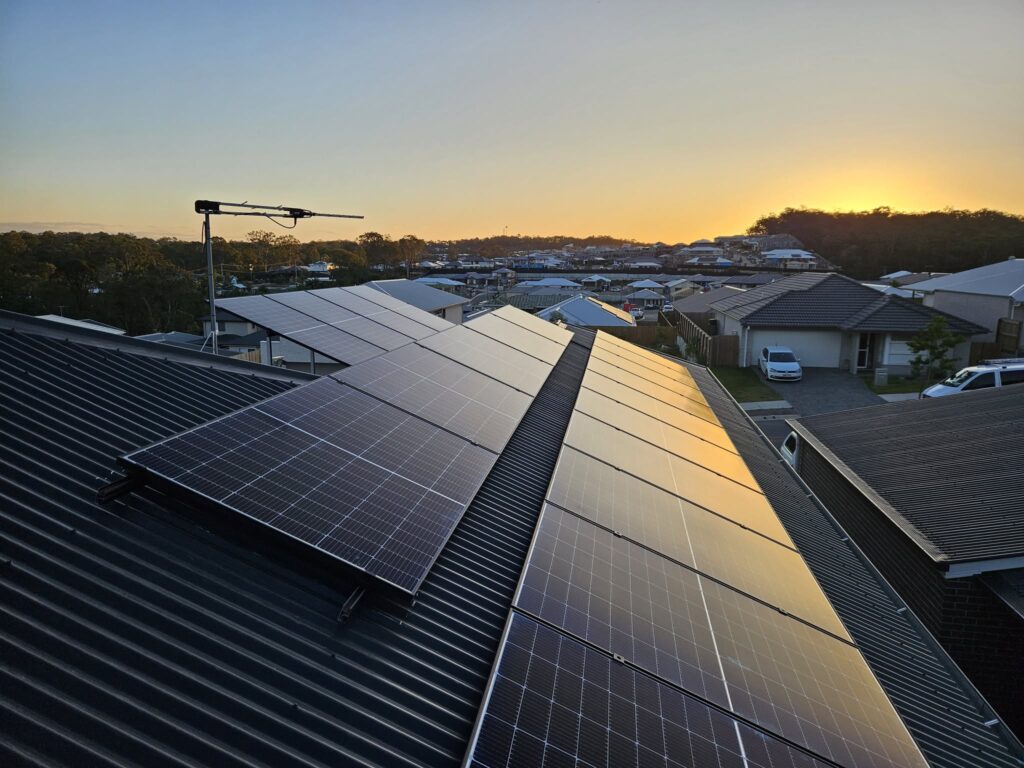
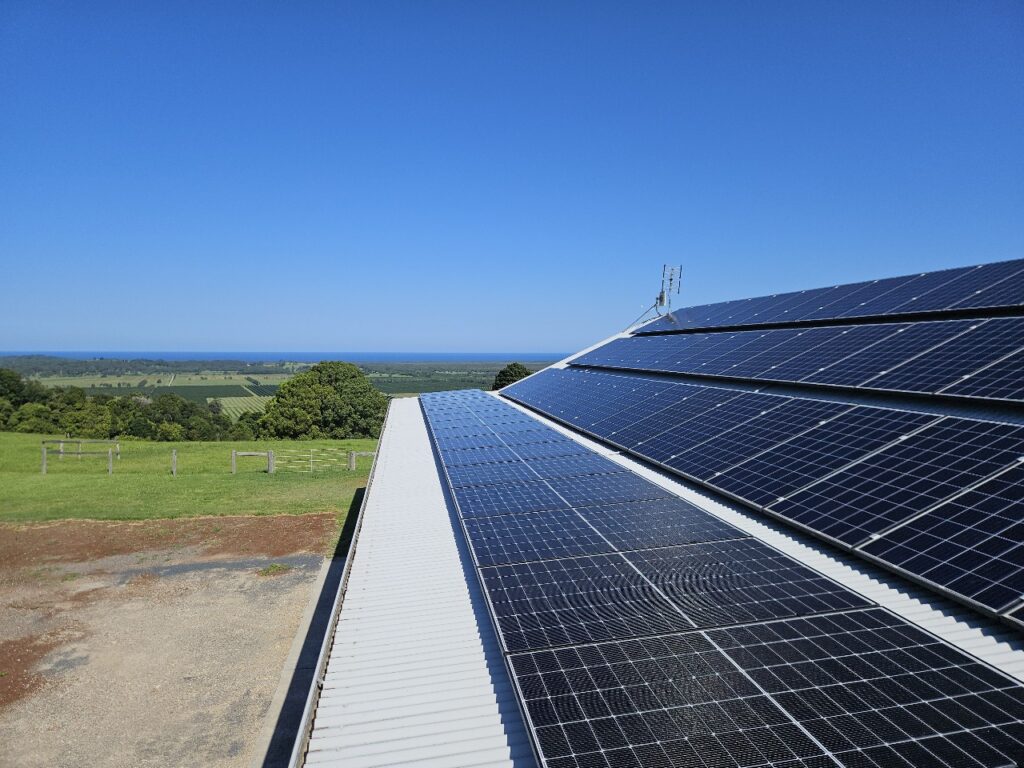
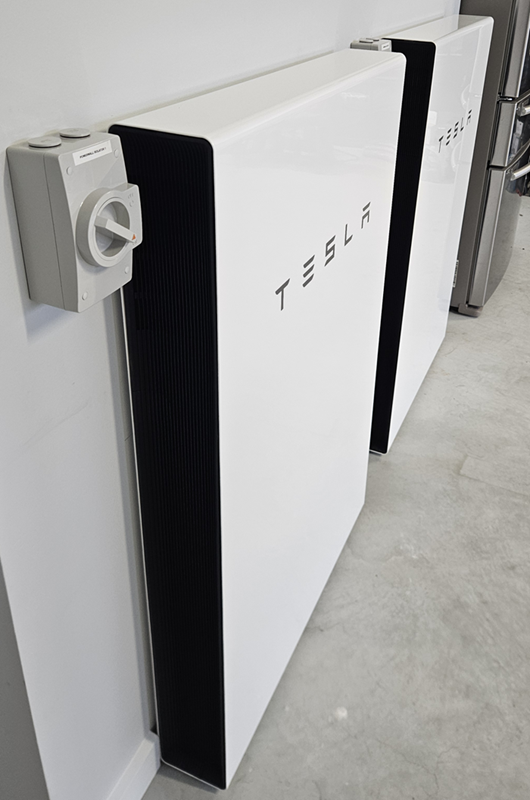
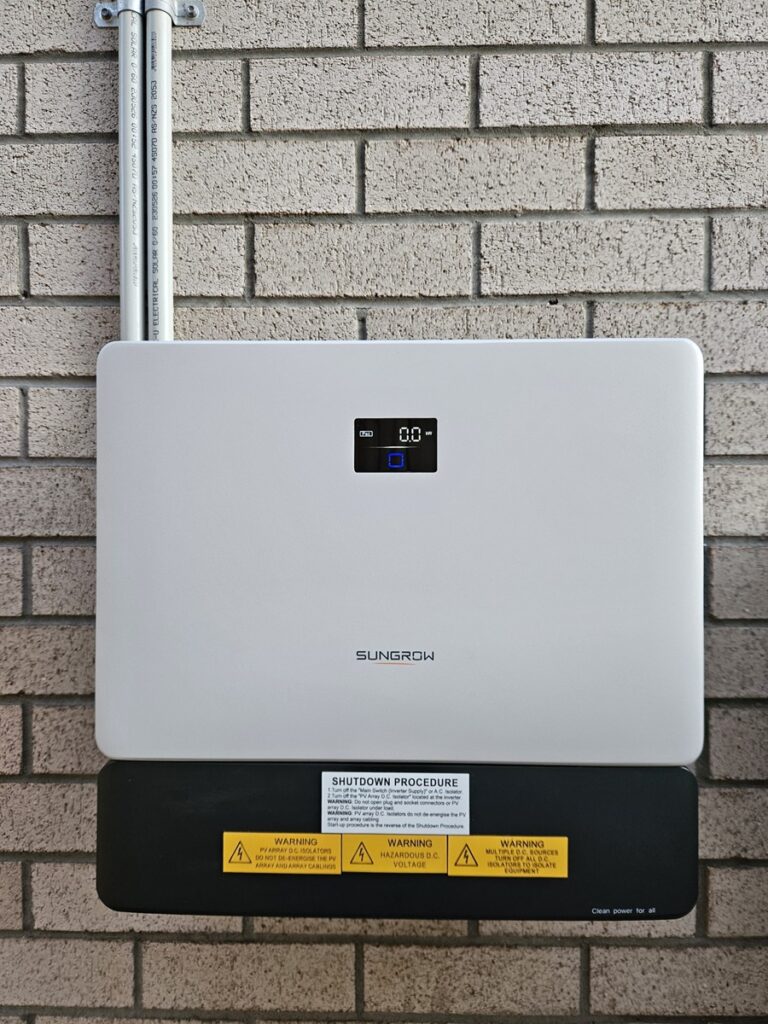
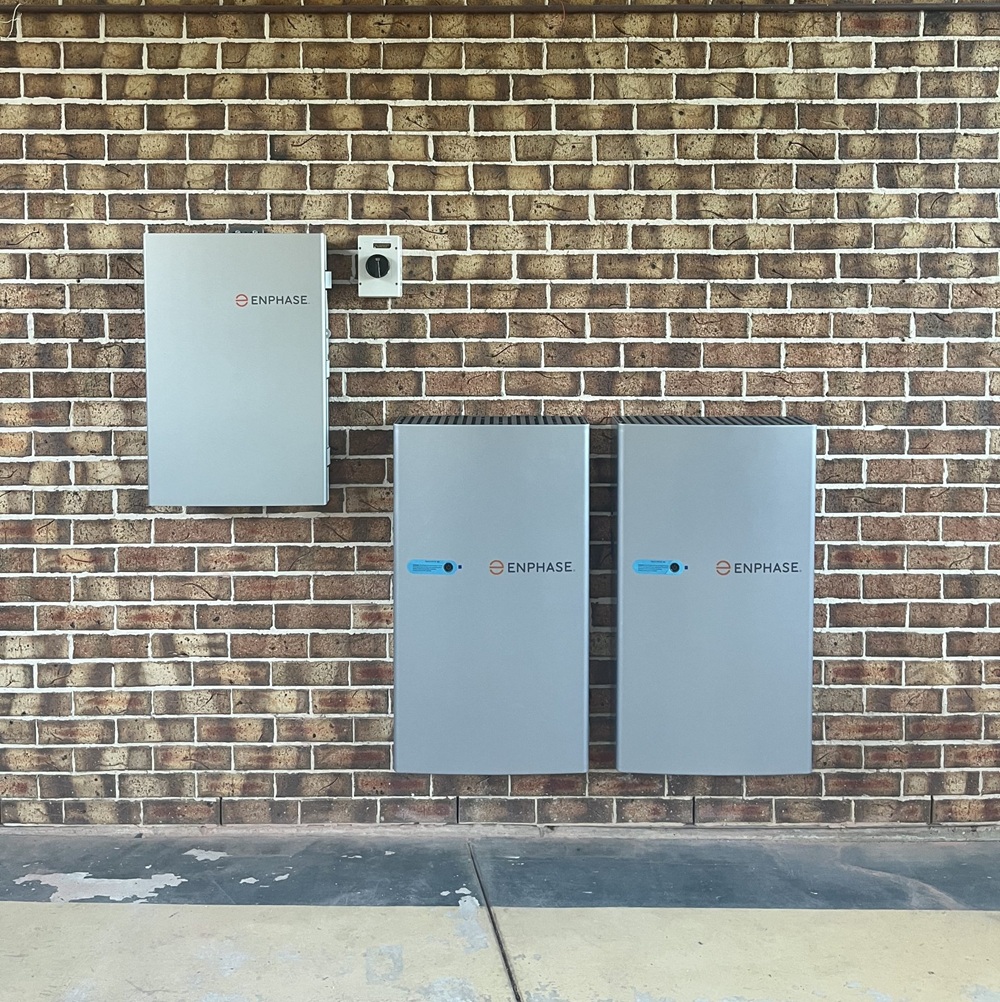
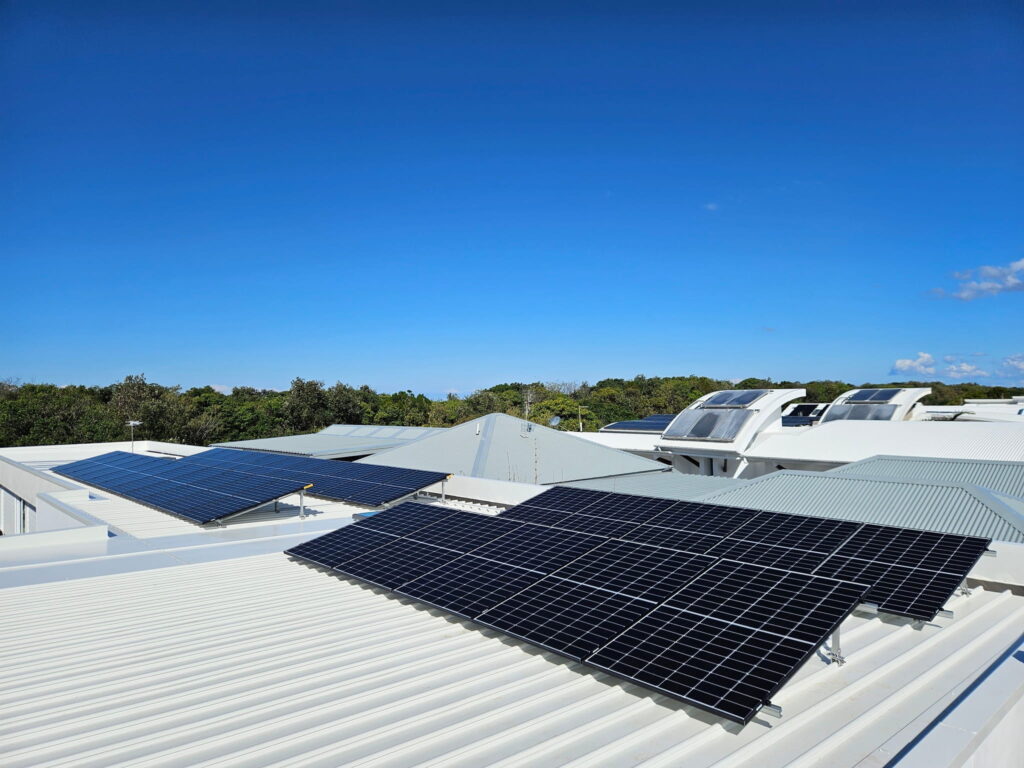
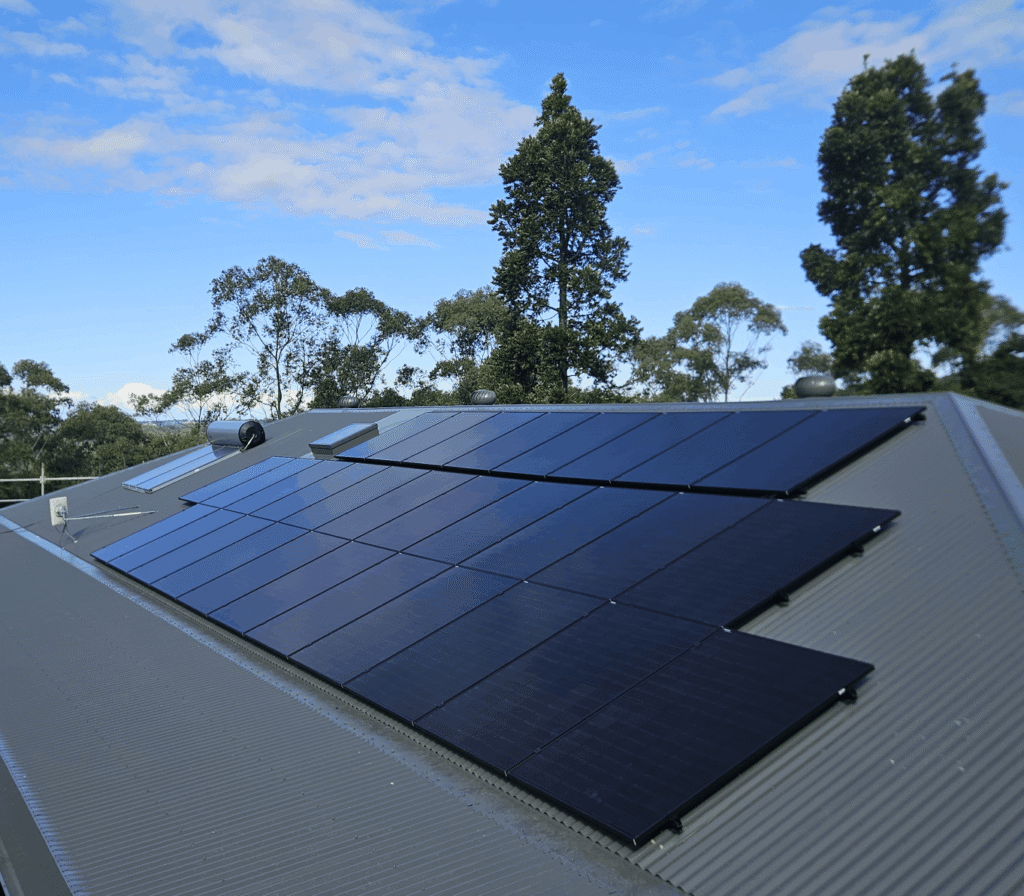
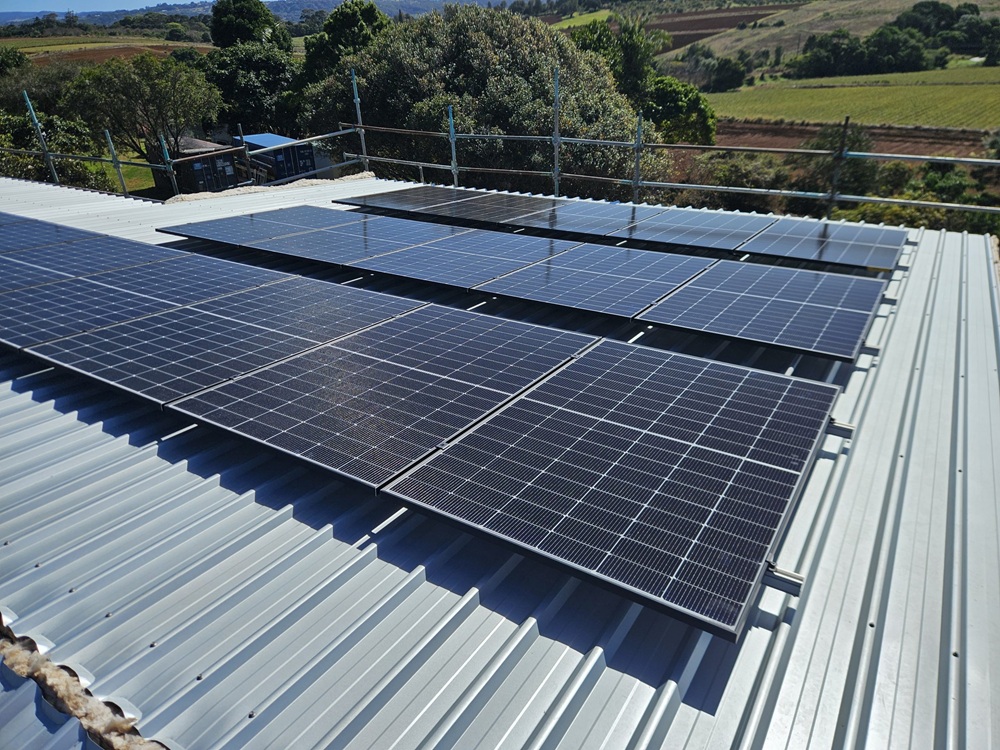
From solar installations and battery systems to Level 2 electrical works, we take pride in delivering high-quality solutions that stand the test of time.
Get Your Free Quote Today!
Call Us
Email Us
Timings
Monday – Friday: 07:00 AM – 05:00 PM
Saturday & Sunday: Closed
Contact Us
Where We Work
We Proudly Serve Tweed Heads and Surrounding Areas
Coolangatta
Tugun
Currumbin
Currumbin Waters
Elanora
Palm Beach
Burleigh Heads
Burleigh Waters
Mermaid Waters
Broadbeach Waters
Broadbeach
Surfers Paradise
Robina
Varsity Lakes
Varsity Lakes
Reedy Creek
Upper Coomera
Helensvale
Hope Island
Tweed Heads
Tweed Heads West
Kingscliff
Banora Point
Cabarita Beach
Byron Bay
If you’re outside these areas, don’t hesitate to get in touch—we may still be able to assist you!

Your Trusted Solar Services Experts and Level 2 Electricians in Tweed Heads & Surrounding Areas